Introduction: From IT Services to Product Innovation
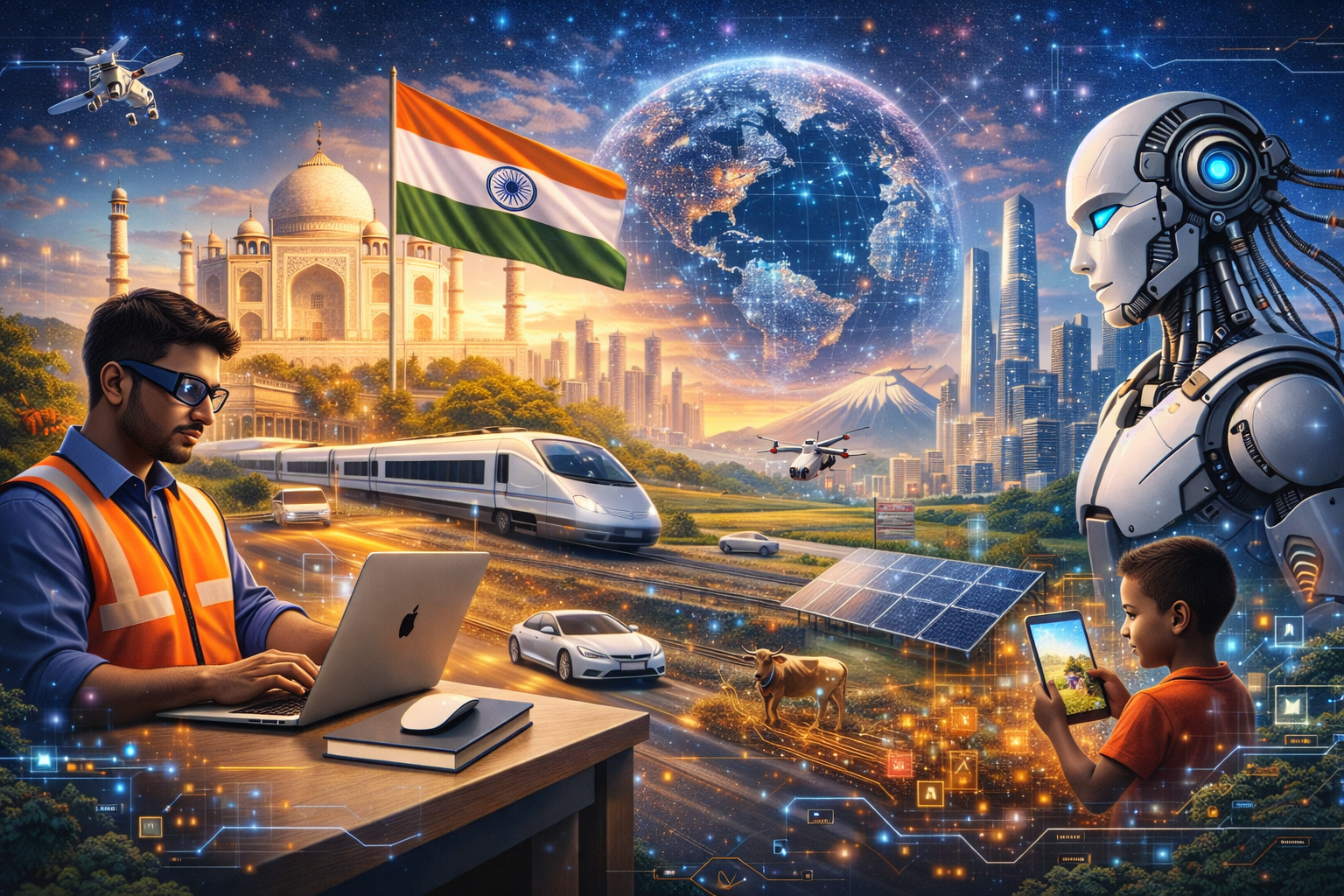
For decades, India was synonymous with IT services—outsourced development, maintenance, and support for global corporations. But a quiet revolution has been unfolding in Bangalore, Hyderabad, and Pune: Indian entrepreneurs are building world-class software products that compete—and often lead—on the global stage.
Today, India is home to over 120 SaaS unicorns (companies valued at $1B+), with founders leveraging AI not as a buzzword, but as a core differentiator. From Freshworks to Zoho, Postman to BrowserStack, Indian SaaS companies are redefining enterprise software with AI-native architectures built for the next decade.
Why India? The Perfect Storm
Several converging factors have positioned India as the next global SaaS powerhouse:
- Talent Density: India produces 1.5 million engineering graduates annually, with top institutions like IITs feeding a deep AI/ML talent pool
- Cost Efficiency: 40-60% lower operational costs enable competitive pricing while maintaining healthy margins
- Global-First Mindset: Indian SaaS founders build for global markets from day one, avoiding the "local-first" trap
- AI Research Ecosystem: Institutes like IISc, IIIT-H, and corporate labs at Microsoft Research India drive cutting-edge AI innovation
- Government Support: Initiatives like Digital India, Startup India, and the National AI Strategy provide policy tailwinds
AI-Native SaaS: India's Competitive Edge
1. Vertical AI Solutions
Unlike generic AI tools, Indian SaaS companies are building vertical-specific AI that solves real business problems:
🛒 Retail: Unicommerce
AI-powered inventory forecasting and demand planning for e-commerce brands, reducing stockouts by 35%
🏥 Healthcare: Niramai
AI-based breast cancer screening using thermal analytics, accessible via low-cost devices in rural areas
📚 EdTech: upGrad
Personalized learning paths using NLP to analyze student performance and recommend content
💼 HR Tech: Darwinbox
AI-driven talent analytics predicting attrition and identifying high-potential employees
2. AI-Enhanced Developer Tools
Indian startups are building the infrastructure that powers AI development globally:
Postman (Bangalore): The world's leading API platform now integrates AI to auto-generate API documentation, suggest endpoints, and detect breaking changes—used by 20M+ developers worldwide.
BrowserStack (Mumbai): AI-powered visual testing that automatically detects UI regressions across 3000+ browser/OS combinations, reducing QA time by 70%.
Hasura (Bangalore): GraphQL engine with AI-assisted query optimization, enabling real-time data access for AI applications with 10x performance gains.
3. Conversational AI & Automation
India's multilingual reality has driven innovation in NLP and conversational AI:
- Haptik (Mumbai): Enterprise conversational AI platform supporting 12 Indian languages + English, powering customer service for brands like Myntra and Swiggy
- Yellow.ai (Bangalore): Dynamic AI automation platform that combines NLP, RPA, and analytics to automate complex business workflows
- Gupshup (Mumbai): Messaging platform with AI-powered chatbot builder, enabling businesses to deploy WhatsApp Business API solutions at scale
Case Study: Freshworks - AI at Scale
Freshworks, founded in Chennai in 2010, exemplifies India's SaaS success story. Now a publicly traded company valued at $10B+, Freshworks has embedded AI across its customer engagement suite:
Freddy AI: Their proprietary AI engine powers:
- Intent Prediction: Analyzes customer messages to predict urgency and route to appropriate agents
- Auto-Response Suggestions: NLP models suggest replies to agents, reducing handle time by 30%
- Sentiment Analysis: Real-time emotion detection to escalate frustrated customers proactively
- Knowledge Base Optimization: AI identifies content gaps and suggests article improvements
The result? Freshworks serves 60,000+ customers globally, with AI features driving 25% higher customer satisfaction scores and 40% faster resolution times.
The Bangalore Advantage: Ecosystem Deep Dive
Bangalore isn't just India's Silicon Valley—it's becoming the world's AI-SaaS hub. Here's why:
Talent Pipeline
- Academic Excellence: IISc, IIT Bangalore, IIIT Bangalore produce 5,000+ AI/ML graduates annually
- Corporate R&D: Google, Microsoft, Amazon, and Adobe run major AI research labs in Bangalore
- Startup Talent Mobility: Engineers move fluidly between startups and tech giants, spreading expertise
Investor Confidence
- Global VCs: Sequoia, Accel, Tiger Global have dedicated India teams and AI-focused funds
- Corporate Venture: Salesforce Ventures, Google for Startups, and Microsoft M12 actively invest in Indian AI-SaaS
- Government Funds: Fund of Funds for Startups (FFS) and SIDBI provide early-stage capital
Infrastructure & Support
- Cloud Credits: AWS, GCP, and Azure offer substantial credits to Indian AI startups
- Incubators: NSRCEL (IIM-B), T-Hub (Hyderabad), and CIIE (IIM-A) provide mentorship and resources
- Policy Support: Karnataka's AI Policy and India's National AI Strategy create favorable regulatory conditions
Challenges on the Horizon
Despite remarkable progress, Indian SaaS companies face significant hurdles:
- Enterprise Sales Complexity: Selling to Fortune 500 companies requires long sales cycles and local presence
- Data Localization Laws: India's proposed data protection regulations may increase compliance costs
- AI Talent War: Global tech giants compete fiercely for India's limited pool of senior AI engineers
- IP Protection: Ensuring robust intellectual property protection in a rapidly evolving legal landscape
- Market Education: Convincing traditional Indian businesses to adopt AI-powered SaaS solutions
Leading companies are addressing these through strategic global hiring, legal partnerships, and investing in customer success teams to drive adoption.
The Road Ahead: 2025-2030
Several trends will define the next phase of India's AI-SaaS evolution:
1. AI-Native Product Design
Future Indian SaaS products won't just "add AI features"—they'll be architected from the ground up with AI as the core value proposition. Think: autonomous workflows, predictive analytics as default, and self-optimizing systems.
2. Global Expansion with Local Intelligence
Indian SaaS companies will leverage their experience building for India's complex, diverse market to create products that adapt intelligently to local regulations, languages, and business practices worldwide.
3. Vertical AI Consolidation
Expect consolidation in vertical AI SaaS as leaders acquire niche players to build comprehensive industry platforms—e.g., a healthcare AI suite combining diagnostics, operations, and patient engagement.
4. Responsible AI Leadership
Indian companies have an opportunity to lead in ethical AI—building bias detection, explainability, and privacy-preserving techniques into their products from the start, setting global standards.
Conclusion: India's Moment
India's SaaS boom isn't an accident—it's the result of decades of engineering excellence, entrepreneurial ambition, and now, AI innovation converging at the right moment. Bangalore's transformation from IT services hub to AI-SaaS powerhouse demonstrates how talent, when combined with vision and technology, can reshape global industries.
For businesses worldwide, Indian AI-SaaS offers a compelling value proposition: enterprise-grade software, infused with cutting-edge AI, at a fraction of the cost of Western alternatives—without compromising on quality or innovation.
The question isn't whether Indian SaaS will compete globally—it already is. The question is: which Indian AI-SaaS company will define your industry's future?